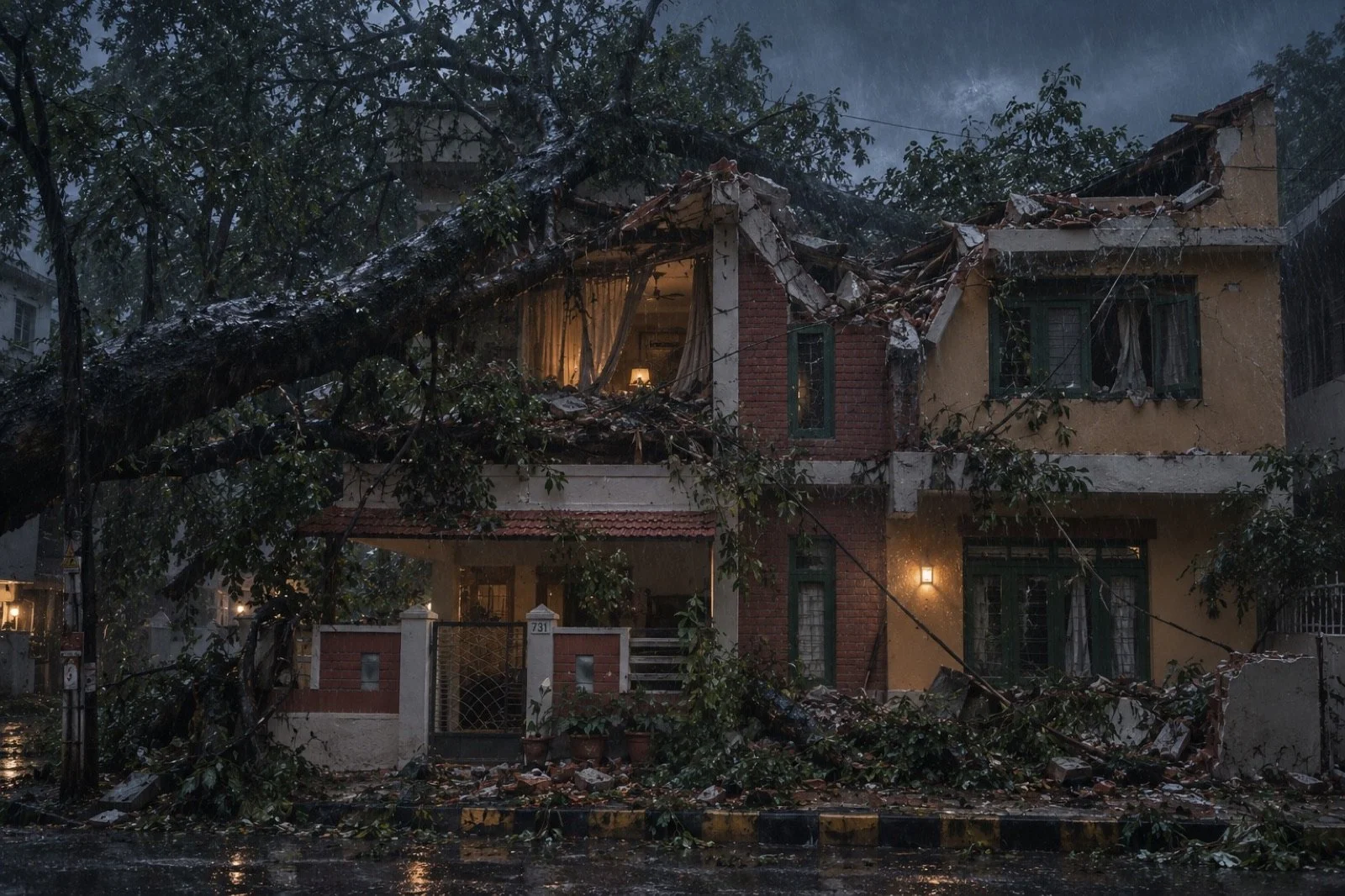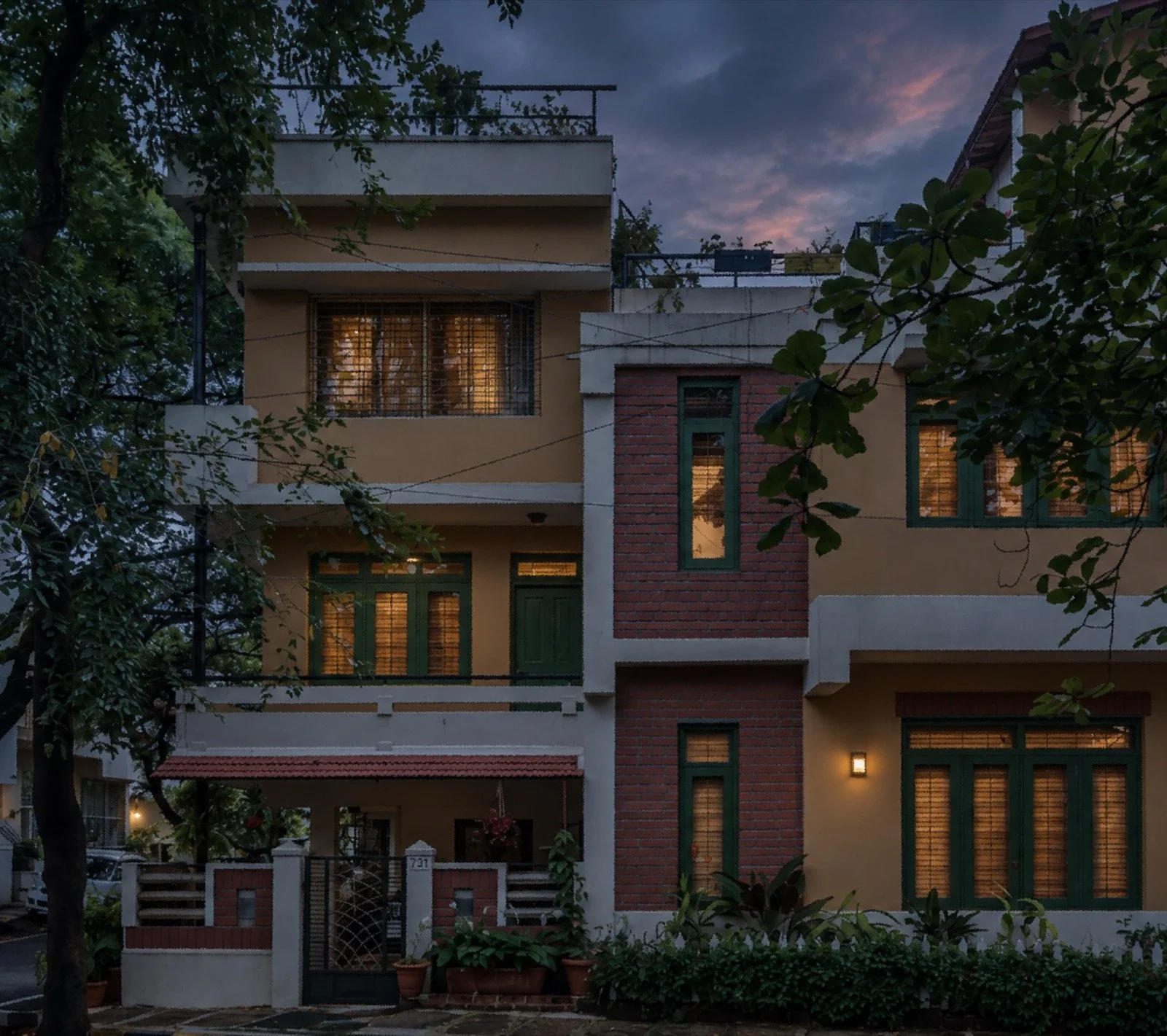
Upstairs
Downstairs
“When tenants refuse to leave the upstairs flat of a Bangalore house, a vicious tit-for-tat war with the landlords downstairs spirals into an increasingly absurd battle that strips both families of dignity and morality.”
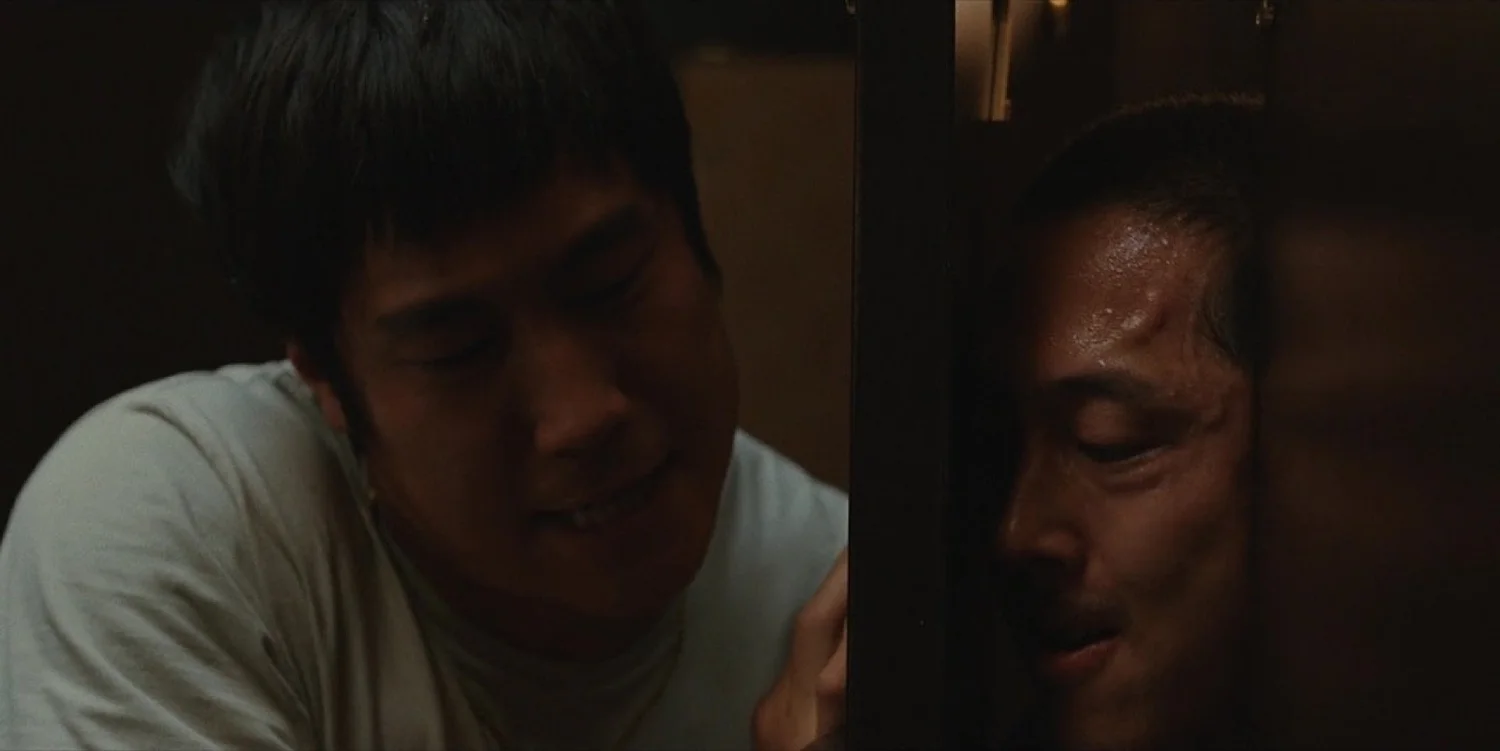
Hear it from the director
Anoop Lokkur · 2 min 35 · subtitled
Prefer to read? Download the pitch deck (PDF)
The Story
The Rao family have lived comfortably in House No. 2038, a modest two-storey home in one of Bangalore’s older neighbourhoods, for three generations. The house is easily recognised by the enormous raintree standing outside its gate.
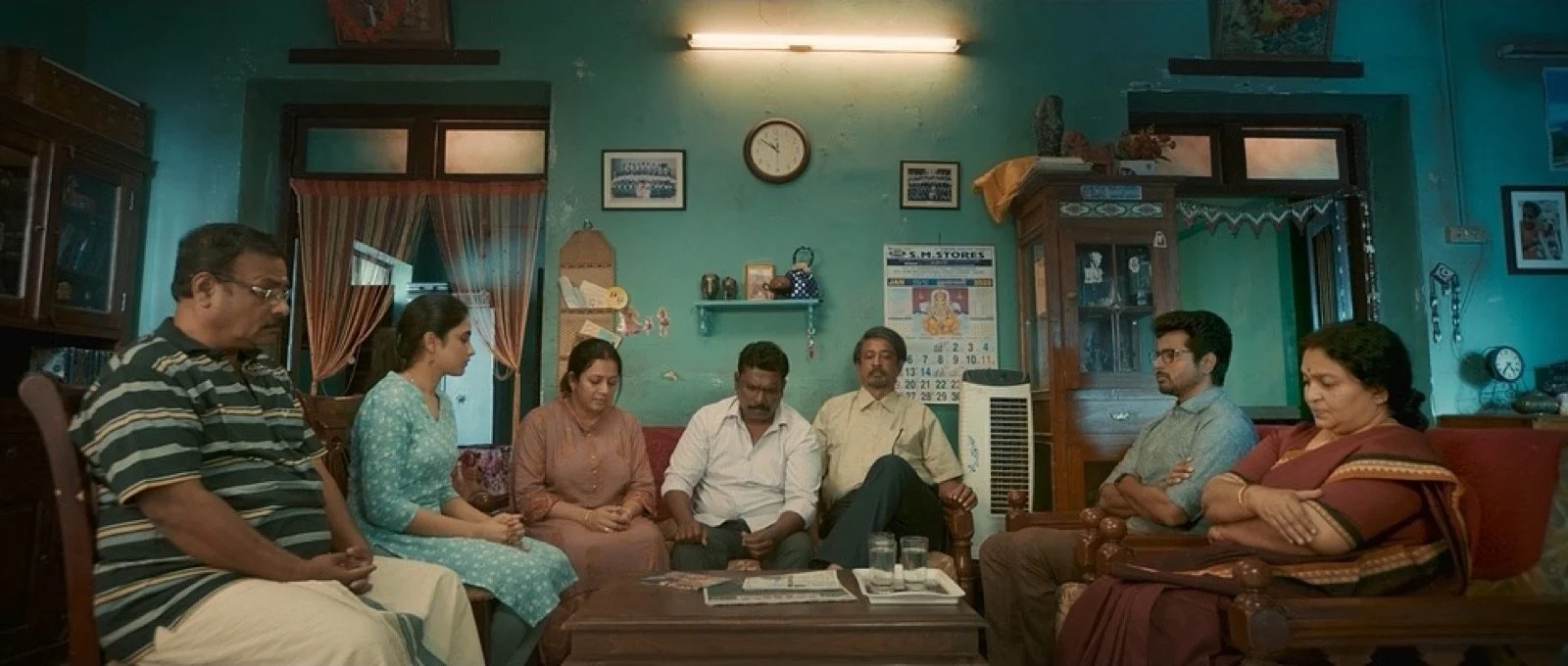
With eldest son Karthik living in Melbourne with his wife and daughter, Mr. Rao rents the upstairs portion to Ramesh, a government contractor, and his family. For a brief time, the two families coexist warmly. But when Mr. Rao is diagnosed with cancer, Karthik returns to Bangalore expecting to move his family into the upstairs flat. Ramesh refuses to leave.
What begins as polite negotiation spirals into a vicious tit-for-tat war. Legal options fail. Electricity is cut, property is damaged, access is blocked, and both families become trapped in an increasingly absurd battle over the house.
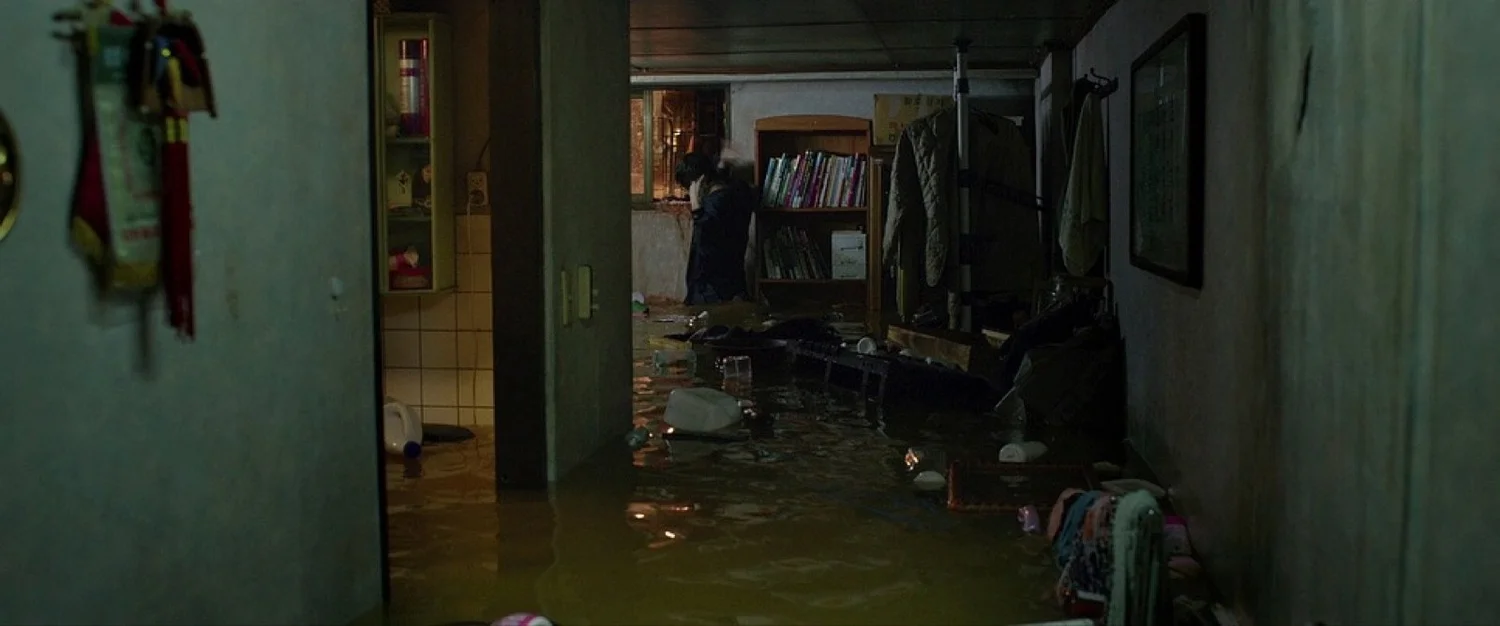
During a violent monsoon storm, the tree crashes onto the upper floor while floodwaters engulf the property, pushing both families toward tragedy. In the aftermath, the house is demolished to make way for an anonymous apartment block. Only the stump of the tree remains.
References

Beef
Mutual resentment and petty sabotage escalate into an increasingly destructive war.

The Insult
A small conflict of pride between ordinary people spirals into something much larger.
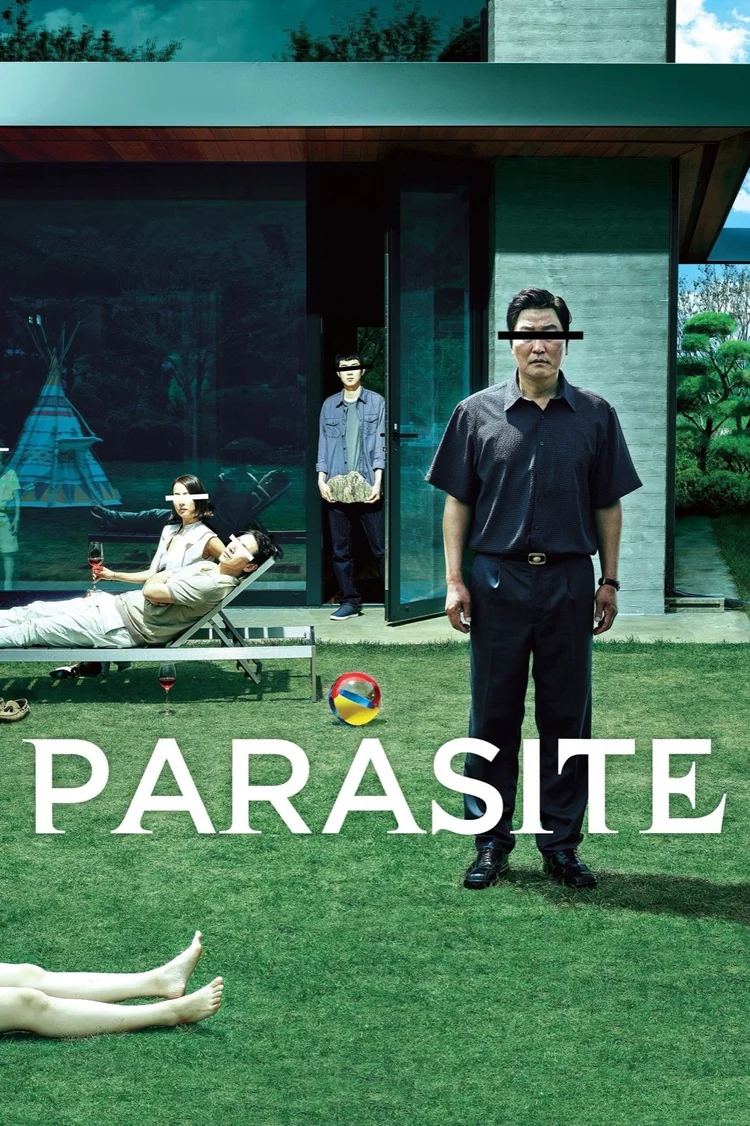
Parasite
Architecture, physical space and social division become engines of conflict.
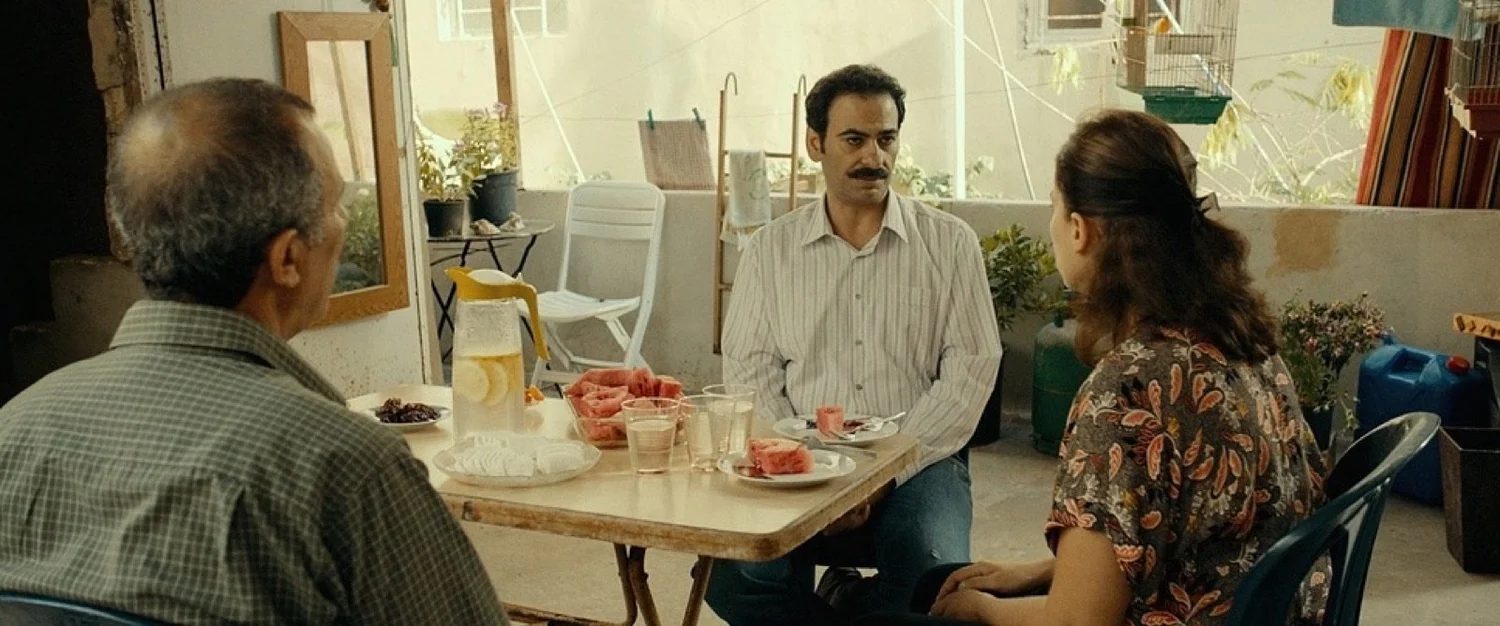
The Ramesh Family
- Ramesh
- A government contractor determined to protect the stability he has fought to secure.
- Savitri
- Ramesh’s practical wife, who understands the cost of the fight but stands by her family.
- Kushal
- Their trainee-doctor son, whose growing resentment pulls him deeper into the conflict.
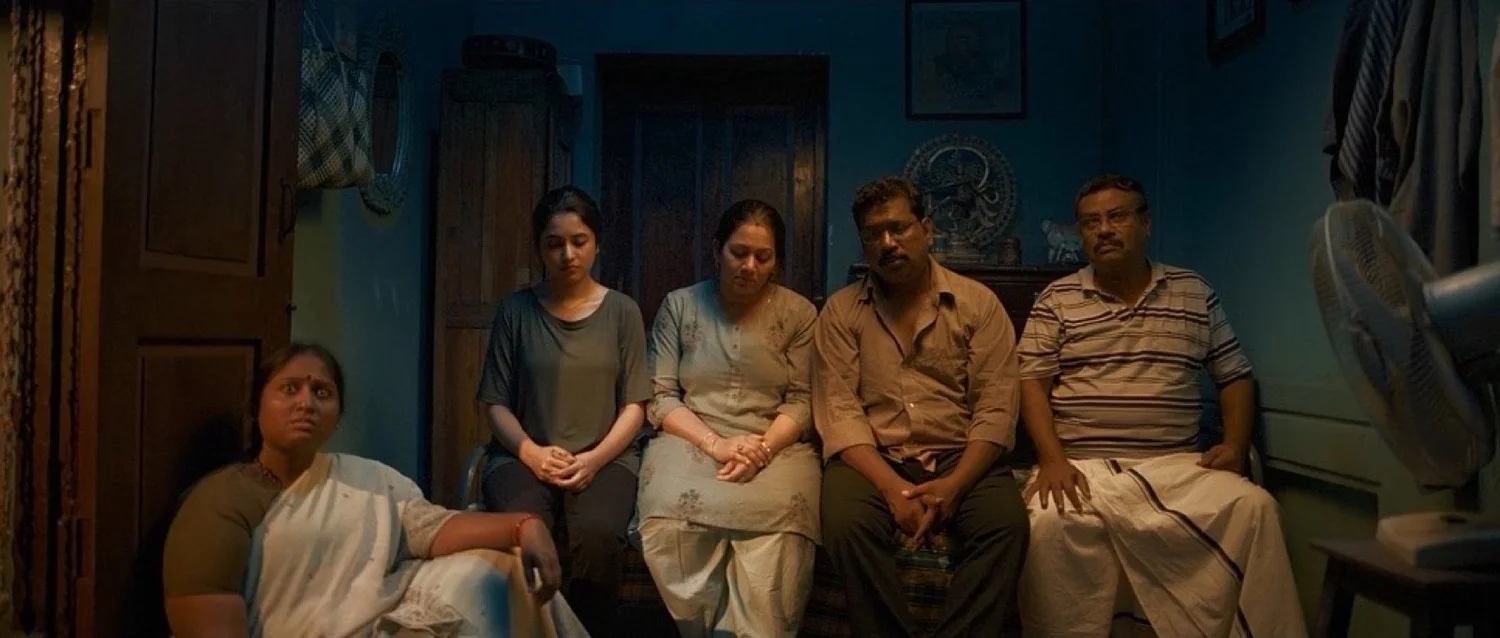
The Rao Family
- Karthik Rao
- A software engineer returning from Melbourne, whose need to reclaim his family home slowly becomes an obsession with winning.
- Sumanth Rao
- Karthik’s younger brother, drifting through life until the conflict gives him a sense of purpose.
- Mr. & Mrs. Rao
- The aging owners of the house, caught between their sons and the tenants.
- Katie
- Karthik’s Australian wife, an outsider who sees the cost of the conflict long before her family does.
Key Characters
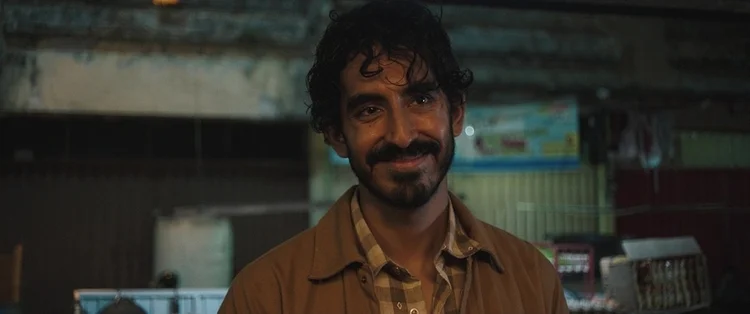
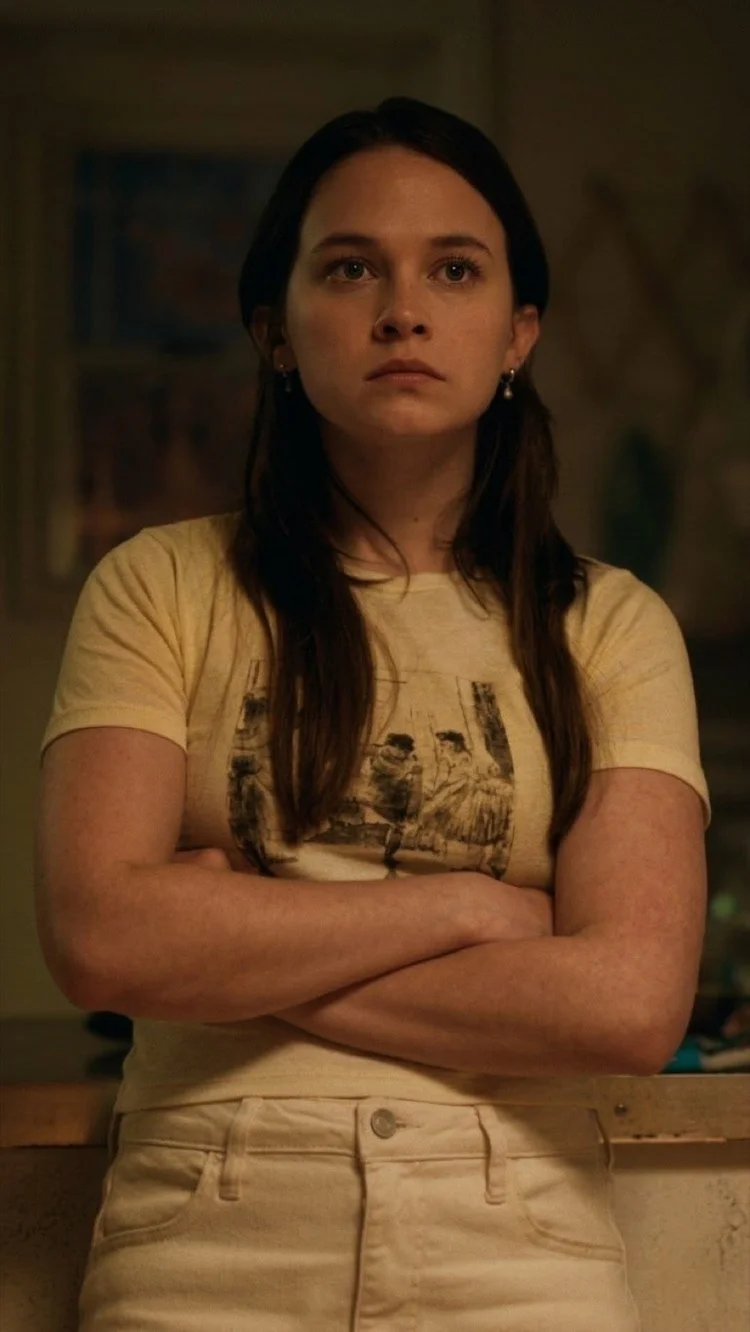




Anoop Lokkur
An Indian-Australian writer, director and producer, Anoop Lokkur’s debut feature Don’t Tell Mother premiered at the 2025 Busan International Film Festival, was nominated for Best Youth Film at the 2026 Asia Pacific Screen Awards, and had its Australian premiere at the 2026 Sydney Film Festival. His short film Long Distance screened at Melbourne International Film Festival and Palm Springs International ShortFest before being acquired by Canal+. In 2026, he was selected for the AISF & Screen Australia Writer/Director Virtual Session and is a 2019 MIFF Accelerator Lab alumnus.
Don’t Tell Mother
Feature · Busan IFF 2025 · APSA 2026 Nominee · Sydney Film Festival 2026
Long Distance
Short · MIFF · Palm Springs International ShortFest · Canal+
AISF & Screen Australia
Writer/Director Virtual Session 2026
Why Me, Why Now?
I returned to Bangalore in 2024 with my wife and infant daughter, expecting to move into the upstairs portion of my parents’ home. The tenants had agreed to vacate, but they didn’t. What followed were months of tension, passive aggression, and an obsessive need to reclaim what felt rightfully ours.
As I began shaping this experience into a film, I realised that I couldn’t tell it from one side alone. The tenants were not villains. They were navigating a housing system that offered them very little security.
This film explores how ego quietly takes over and how ordinary people justify their actions and lose sight of who they once were.
I want the audience to experience this like a tennis match, with sympathies constantly shifting between the two families.
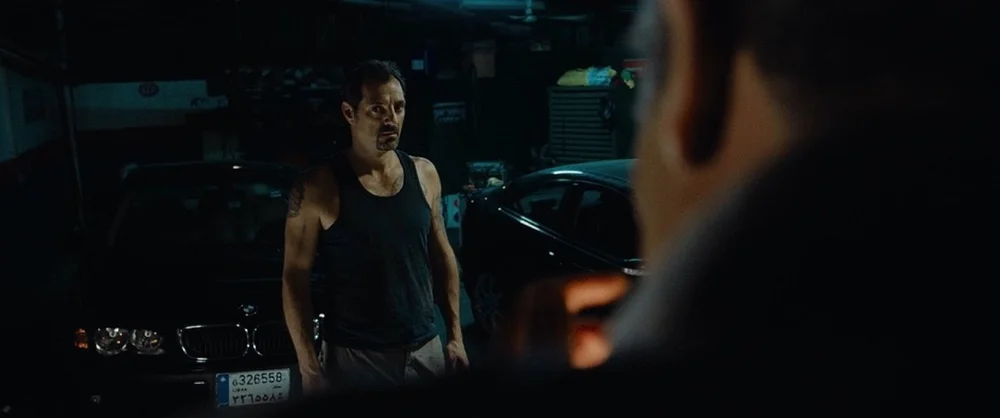
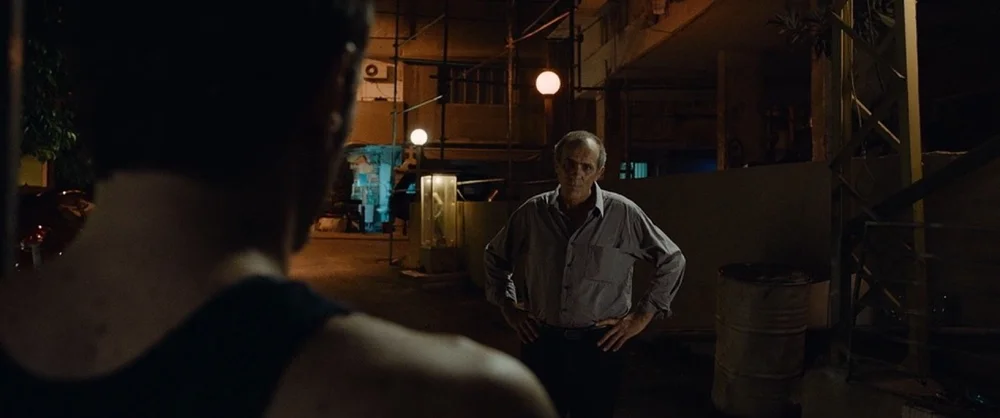
Tonally, the film is grounded, claustrophobic, darkly humorous, and ultimately tragic. The house becomes a character, its spaces tightening as the conflict escalates. While rooted in Bangalore, the film speaks to universal questions of entitlement, belonging, and the corrosive effects of pride. Through humour, discomfort, and tragedy, I hope audiences will recognise how easily any of us can become trapped in conflicts that ultimately leave everyone diminished.
Tone & Style
- Grounded
- Claustrophobic
- Darkly Humorous
- Absurd
- Uncomfortable
- Ultimately Tragic
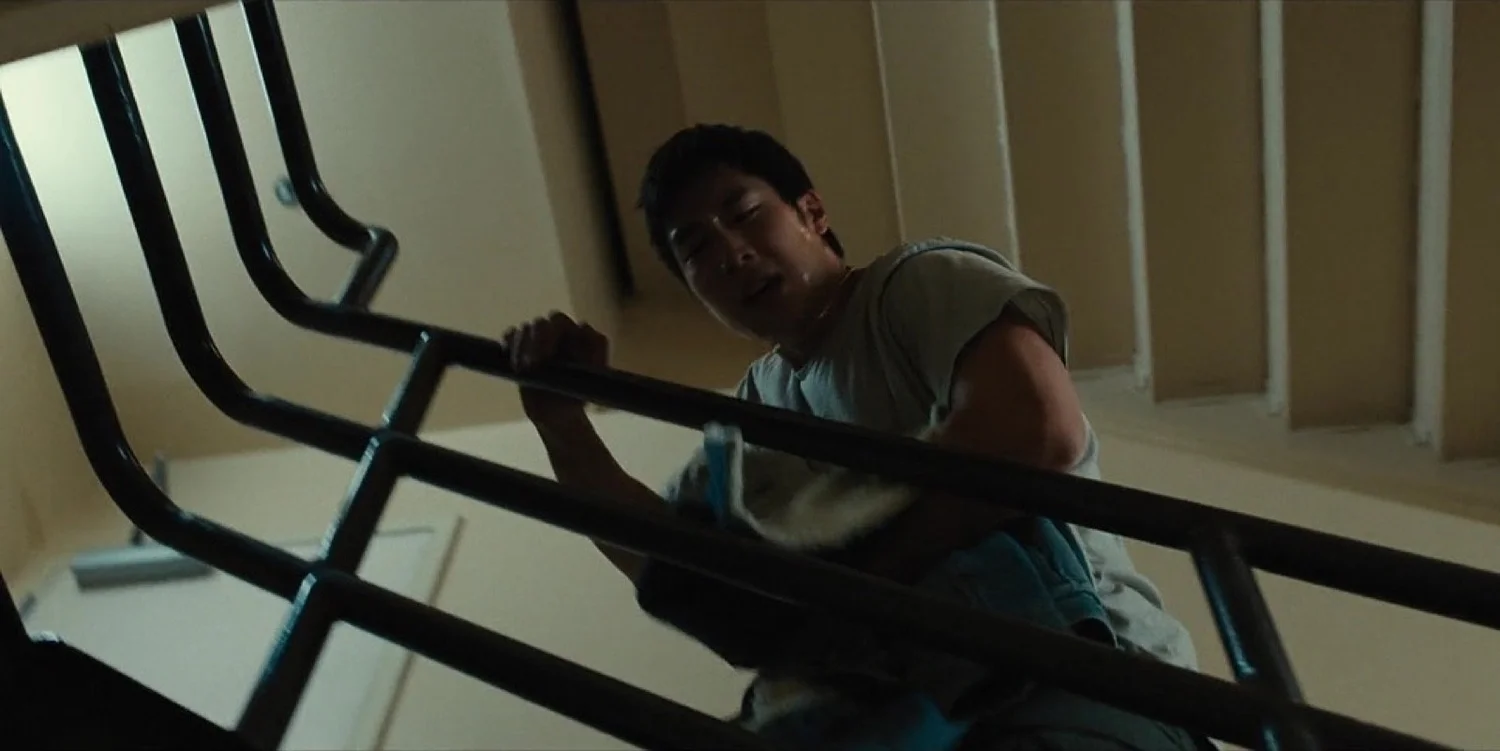
Visual Style
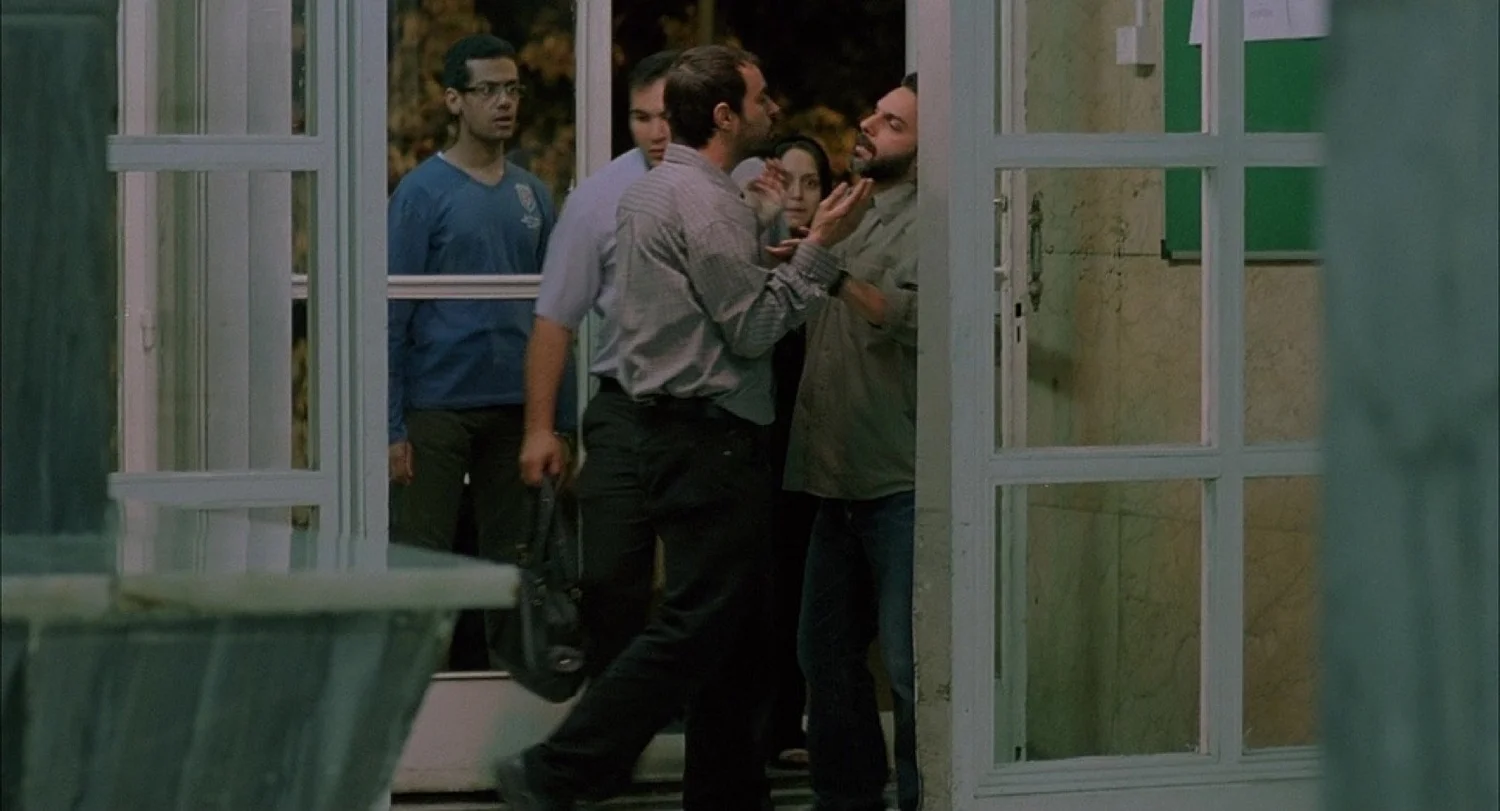
Violent Monotony
Small irritations erupt into chaos through a rhythm of repetition and release.
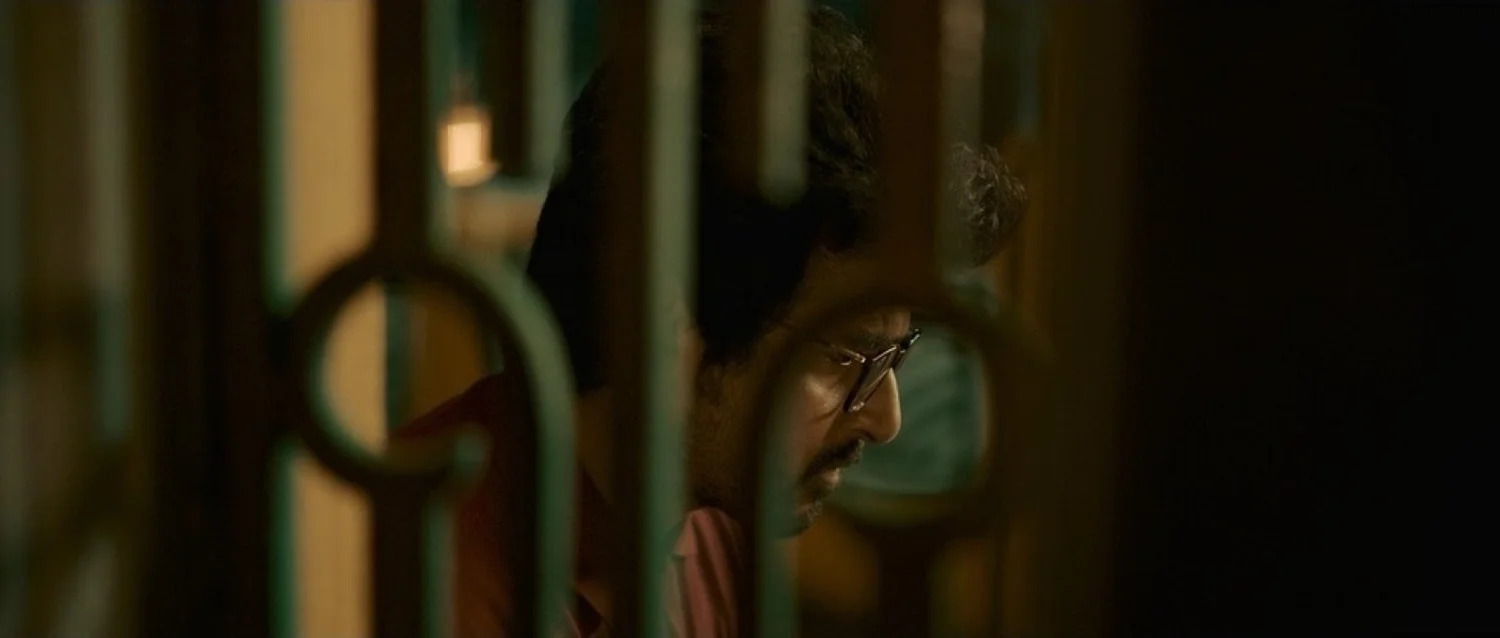
Oppressive Dividers
Doorways, staircases, walls and architectural lines physically divide the characters.
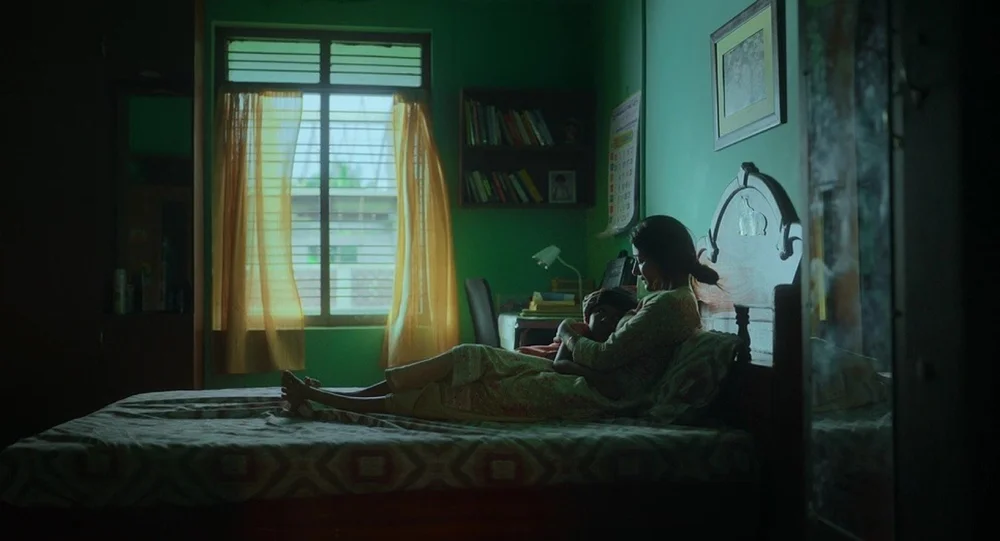
Intimate Observation
Slow, patient observation of private spaces.
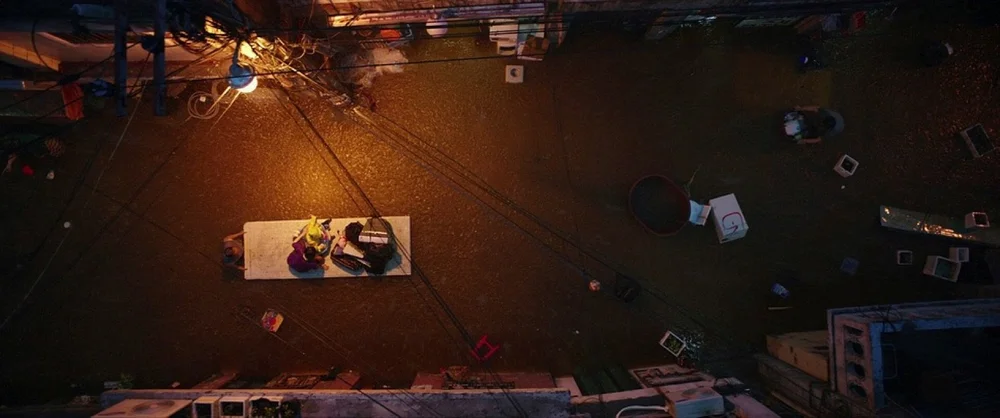
Monsoon Grey & Sodium Light
Cool, damp tones contrasted with the harsh warmth of street and interior lights.
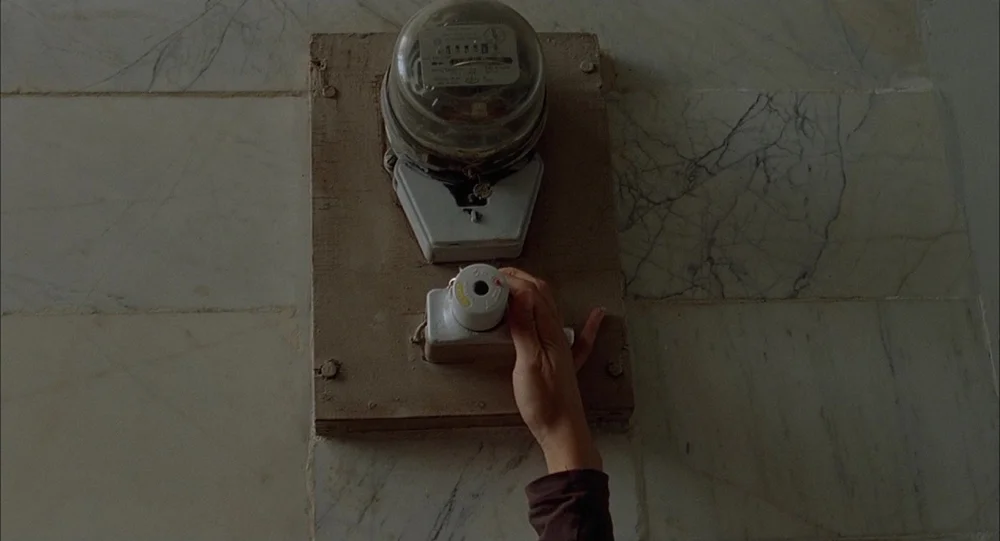
The Creeping Lens
Slow, patient observation of spaces and objects as tension quietly accumulates.